Fitness App Development Company

Mobile experiences your members keep coming back to

Guaraná Technologies is a fitness app development company based in Montreal and Toronto, building custom workout, wellness, and coaching apps for gyms, studios, trainers, and fitness startups across Canada. Since 2011, our in-house team has shipped 274+ mobile apps, including connected fitness products that track real performance data. If you want a fitness app your members open every day, you want a partner that has already shipped one. That is what fitness app development looks like when it is grounded in shipped products.

Our Fitness App Development Services

We design and develop fitness applications for every corner of the health and wellness market. From a single workout tracker to a multi-location gym platform, our fitness app developers cover the products members and operators actually expect. Native iOS and Android quality sits at the core of every release.
Dumbbell icon for custom fitness and workout app development

Custom Fitness and Workout Apps

Standalone products for logging exercises, sets, reps, and progression. We ship clean interfaces that work in the gym or at home, with exercise tracking that syncs across devices in real time.

Leaf icon for health and wellness app development

Health and Wellness Apps

Meditation, mindfulness, sleep, and habit products for studios and wellness brands. Guided sessions, streaks, and content libraries keep users engaged between visits.

Two people icon for personal training and coaching app development

Personal Training and Coaching Apps

Platforms for trainers and online coaches to deliver programs, follow each client, schedule sessions, and take payments. Kineticoach is a working example, covered below.

Bowl icon for nutrition and diet tracking app development

Nutrition and Diet Tracking Apps

Meal planning, macro tracking, and recipe tools for dietitians and nutrition coaches. Tailored plans, adherence monitoring, and reminders that support lasting behaviour change.

Smartwatch icon for wearable-connected fitness app development

Wearable-Connected Fitness Apps

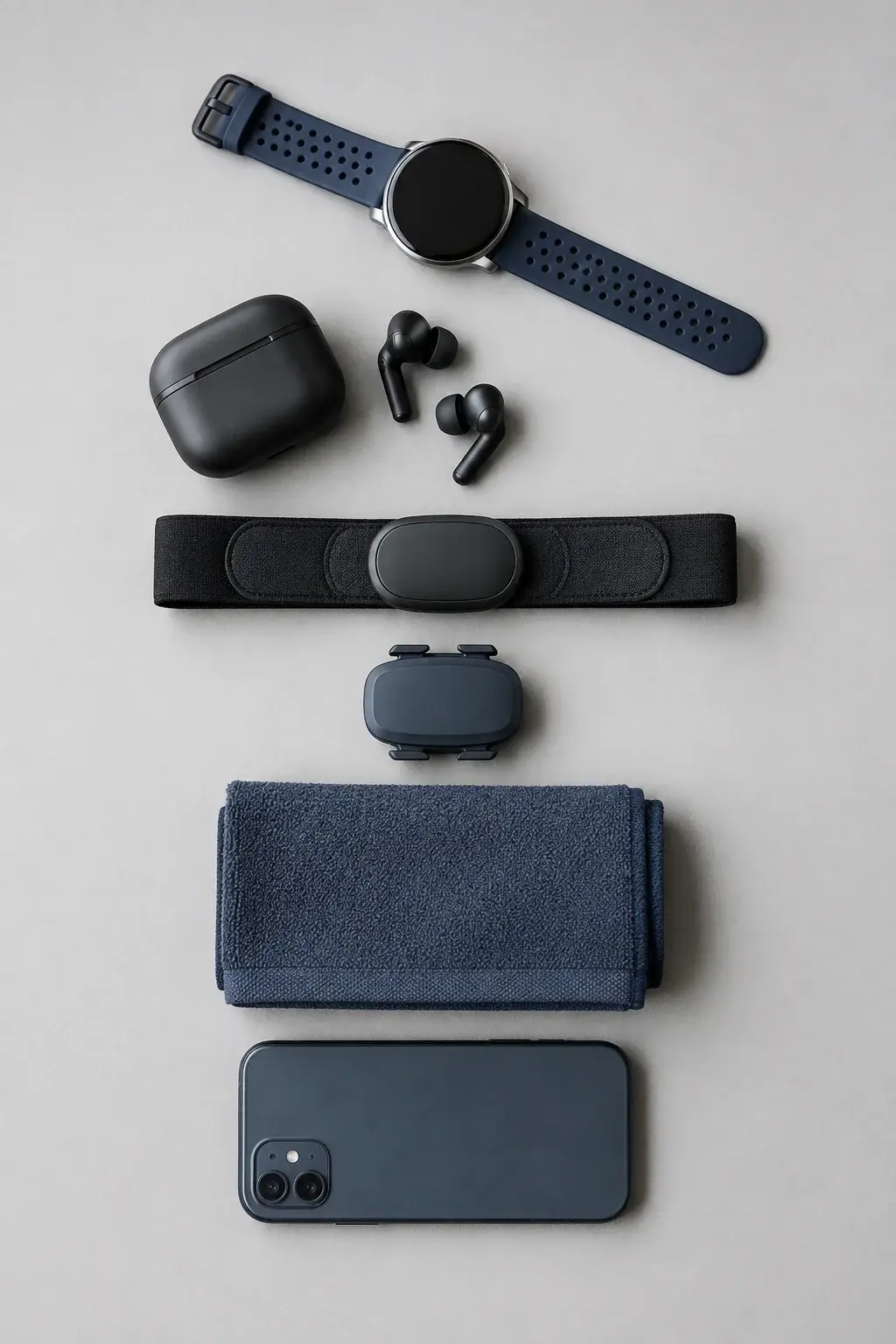
Apps that pair with sensors and smartwatches to capture heart rate, cadence, steps, and calories. This is where connected fitness lives, and it is one of our strongest areas.

Calendar icon for gym and studio management app development

Gym and Studio Management Apps

Booking, memberships, class schedules, and payments in one member-facing app, with a dashboard for staff. Built for single studios and multi-location groups alike.

Fitness Apps We Have Built

Here are three fitness products our engineers designed and shipped. Each solves a different problem, from connected equipment to on-demand coaching.
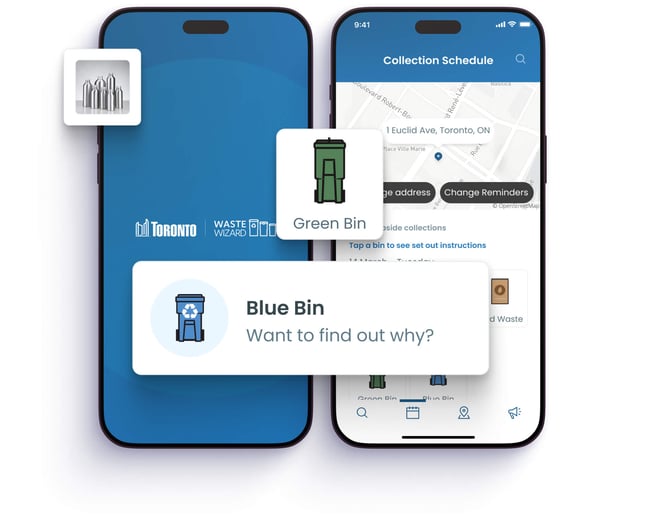
Toronto Waste Wizard

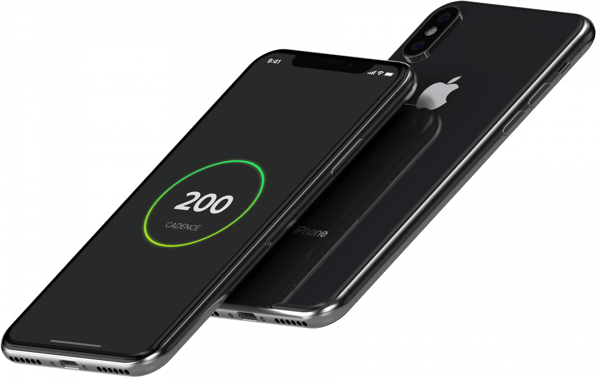
Cadence

Cadence is a Bluetooth app built for the Cadence Cycle gym in Montreal. It pairs with a sensor on the bike to track wheel movement and gives riders real-time feedback on their rhythm during indoor cycling sessions. Connected fitness, done properly.

Cadence app showing real-time cycling rhythm feedback on iPhone, built for a Montreal gym
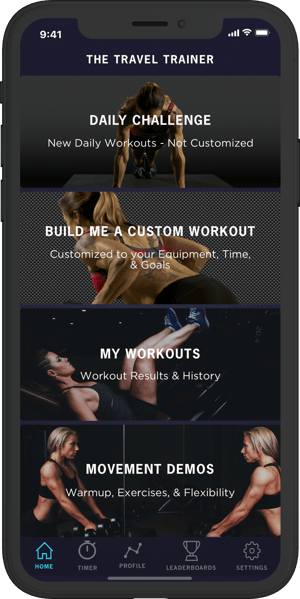
Kineticoach app screen for booking a vetted personal trainer in Toronto on iPhone

Kineticoach

Kineticoach brings personal training to your door in Toronto. Users pick a session type, time, and location, then match with a vetted, certified trainer through profiles and ratings. Payment runs in-app through Stripe.

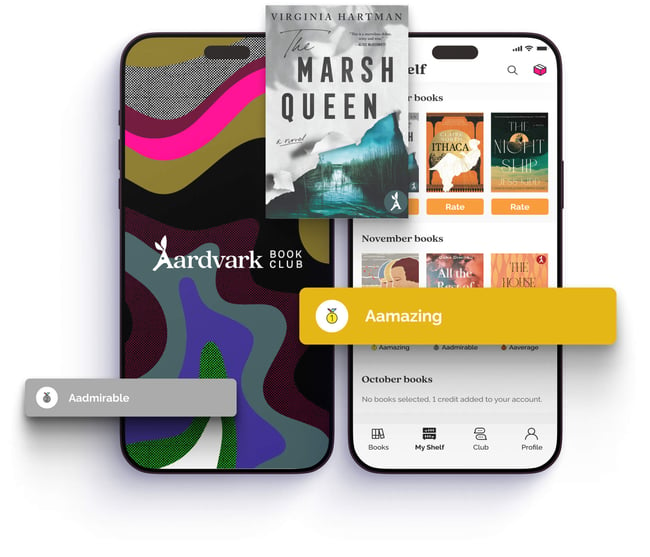
Aaarvark

Fitolio

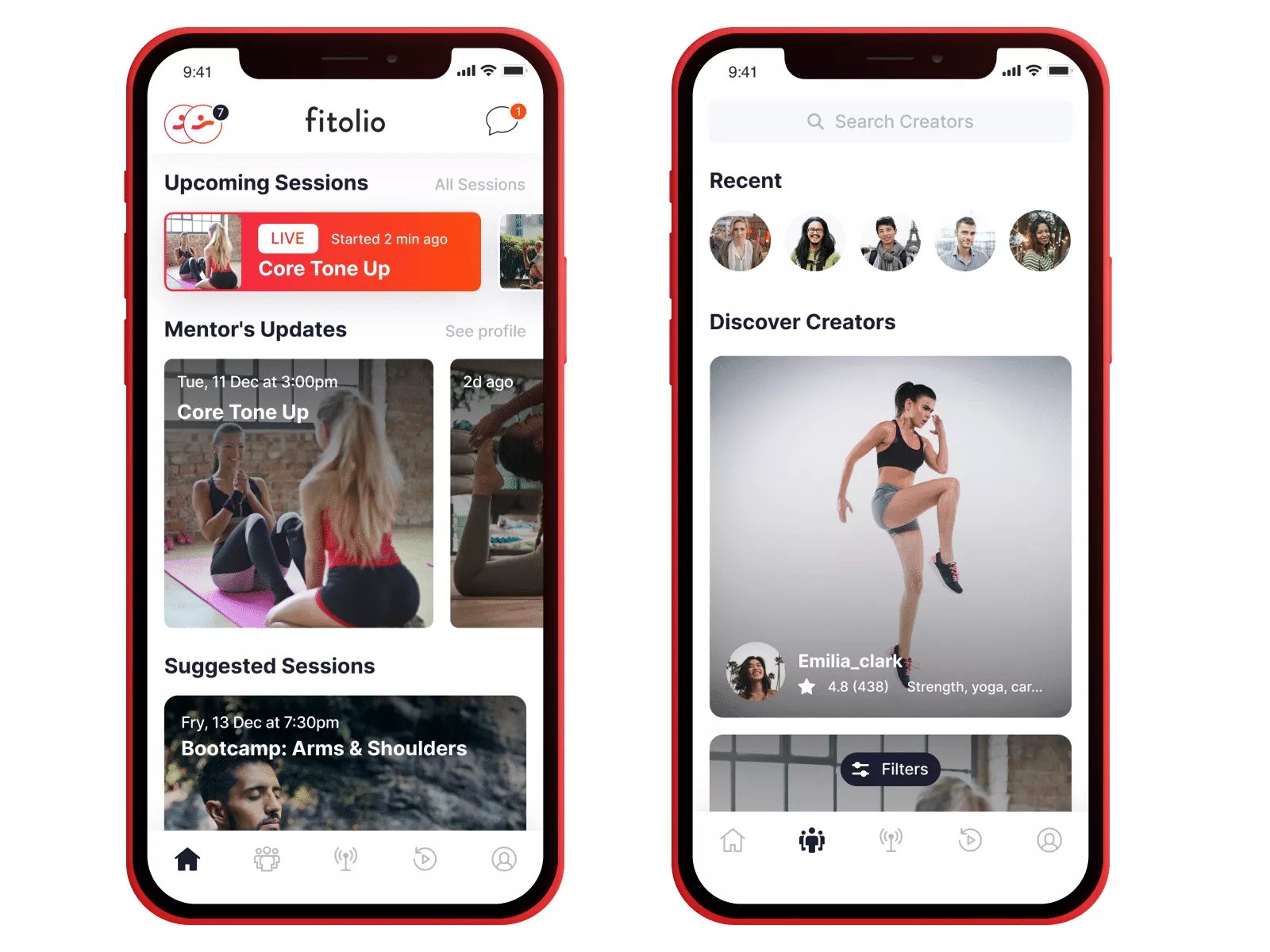
Fitolio is a live-streaming fitness app where users join exercise sessions, follow their favourite mentors, and watch their heart rate as they train. We also built the revenue system that pays coaches for every session.

Fitolio live-streaming fitness app on two iPhones, showing upcoming sessions and the creator discovery screen

Partnerships We're Proud Of

Over 14 years, we have helped founders, product teams, and established brands across North America turn fitness ideas into shipped products. The record backs it up: 274+ products delivered, 187 million users reached, and 1.2 million active monthly users across our portfolio.
Trusted by 100+ startups and
enterprises across North America.

Volume is easy to publish. What it does not show is whether the teams behind those products would work with us again. Clutch.co named Guaraná a Top Canadian App Developer, and the reviews on our profile answer that question in our clients' own words.

274+
Apps delivered

187M+
Users acquired for our clients

1.2M+
Active monthly users

14+
Years of expertise

Why Build a Custom Fitness App Instead of Using a Platform?

Trainerize, TrueCoach and Kajabi put a coaching business online in a weekend, and plenty of trainers start there for that reason. What changes with a custom fitness app is what you own once the audience is there. Your members open a product that carries your brand, your tone and your training method, instead of a profile inside a marketplace shared with thousands of other coaches.

Ownership is the practical difference, and it shows up in four places.

Palette icon for branding and user experience designed around your studio

Your Brand

Branding and user experience designed around your studio, not a template.

Price tag icon for pricing and packaging you set yourself

Your Pricing

Pricing and packaging you set yourself, from single programs to corporate plans.

Member card icon for direct access to your members and their data

Your Members

Direct access to your members, their data and the engagement analytics behind it.

Milestone path icon for a product roadmap driven by your business goals

Your Roadmap

A product roadmap driven by your business goals and your release calendar.

The economics move the same way. Recurring platform fees grow with your membership, so the bigger the audience, the more the model costs you every month. Past a certain size, building your own application costs less over a few years than the fees it replaces, and the product stays an asset of your business.

How Much Does It Cost to Build a Fitness App?

Budgets start around 20,000 CAD for a simple video library and pass 150,000 CAD for a connected product. What sets the number is the feature list: live video, personalized coaching, wearable integrations, AI and bespoke user experiences are the items that move a fitness project the most.

Type of fitness app Typical budget in CAD
Video library or on-demand workout app 20,000 to 30,000
Workout tracker with user accounts and progress tracking 40,000 to 70,000
Personal coaching platform 70,000 to 150,000
Live platform with video classes and community 120,000 to 250,000+
Connected app with Bluetooth, wearables or hardware 150,000+

Each capability below adds design and development time, and the more of them your scope carries, the higher the range you land in.

  • Live workout sessions and video streaming
  • Programs generated for each member
  • Exercise logging and long-term history
  • Badges, achievements and gamification
  • Apple Health, Google Fit, Apple Watch, Fitbit or Garmin sync
  • Bluetooth Low Energy connectivity with equipment and sensors
  • AI coaching and workout recommendations
  • Nutrition and meal planning
  • Community feeds and member messaging
  • Membership management and recurring subscriptions
  • Stripe payment integration
  • Administrative dashboards and reporting

For most businesses the sensible move is a focused MVP that delivers the core member experience, then a second phase built on what the first users actually do. It keeps the initial investment low and lets member feedback decide what comes next.

Our guide on how much an app MVP costs breaks the exercise down further.

Smartwatch, earbuds, heart rate strap, Bluetooth sensor and phone arranged for fitness app development

When Does a Custom Fitness App Make Sense?

Those numbers only pay off when there are people to put in the app. A custom product makes the most sense for a business that already has an audience or a recurring membership model behind it: a personal trainer with a full client list, a gym or a fitness studio with members who come back every week, an online coaching business selling programs month after month.

At that point the application stops being a marketing expense and becomes part of what you sell.

  • Retention improves because the training happens inside your brand.
  • Revenue per member improves because you decide the packaging.
  • Return on investment keeps climbing as the customer base grows, since the cost of the product is fixed while your membership is not.

If you are still testing demand, the video library or tracker tiers above are the right place to start.

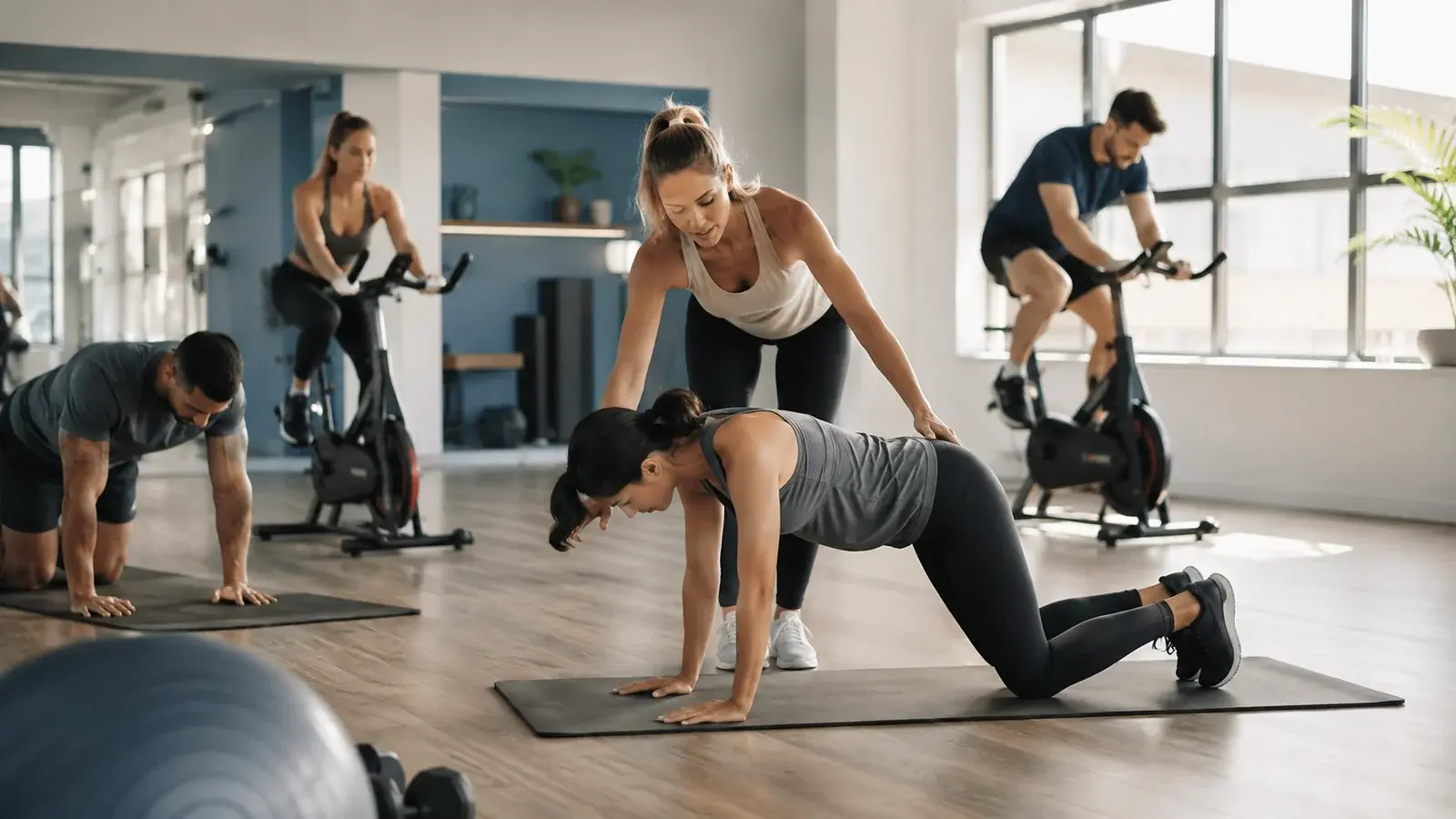
Coach correcting a member's posture during a group session in a boutique fitness studio

Key Features That Make Fitness Apps Succeed

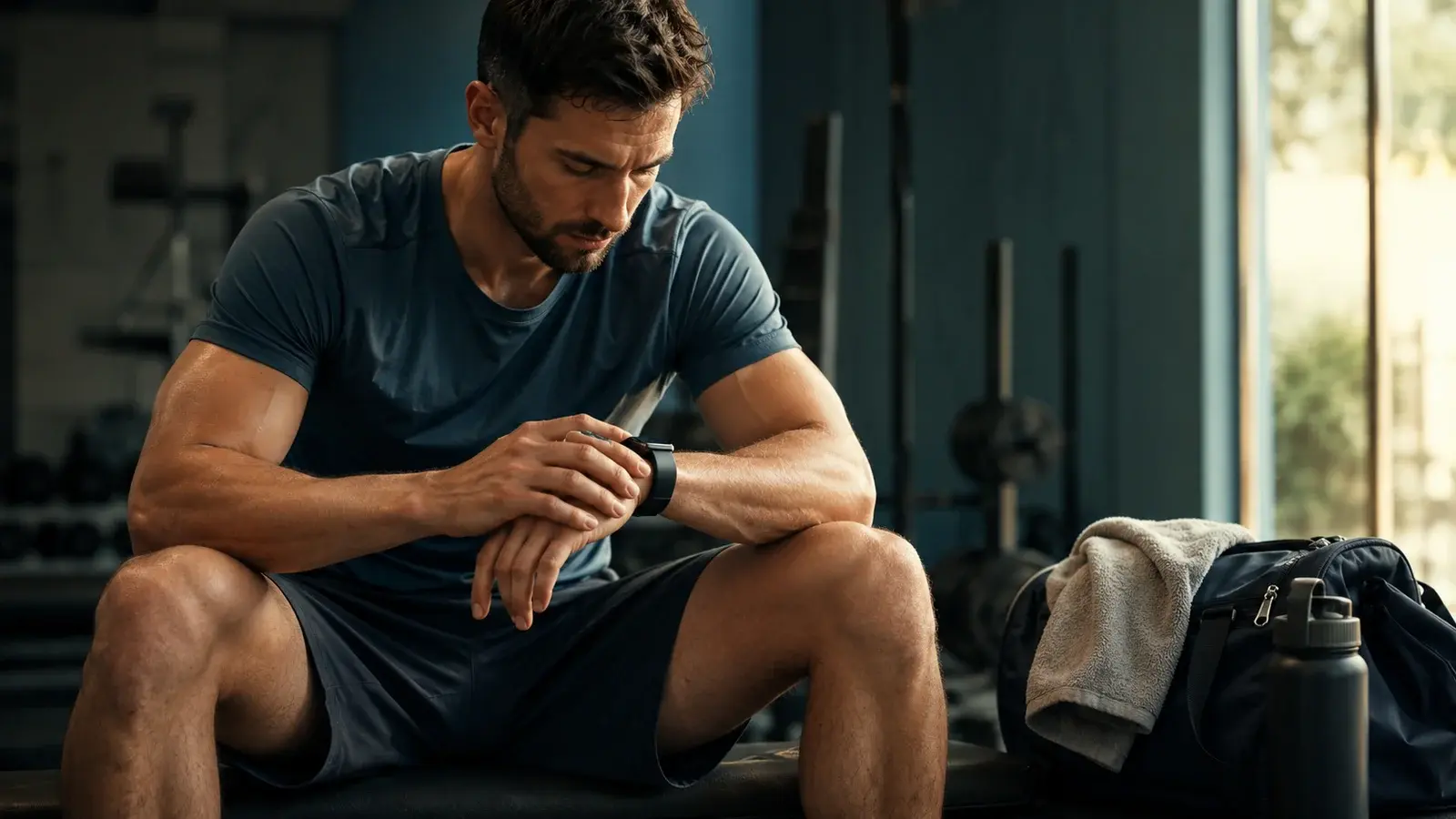
Athlete checking a smartwatch between sets, the daily habit a fitness app has to support

A fitness app only works if people keep using it. Retention is the metric that counts, and it comes from features that form habits, not just log numbers.

  • Personalized plans that adapt to a user's goals and progress
  • Progress tracking with photos, measurements, and performance charts
  • Personalized plans that adapt to a user's goals and progress
  • Push notifications timed around sessions and goals
  • Community features that keep members accountable
  • Secure in-app payments for memberships, packages, and coaching

Our Fitness App Development Process

Our approach stays structured and predictable across every fitness project. You work directly with the developers building your app, with regular demos at each stage.

Frame 4326

1

Discovery

We map your business model, target members, core features, and any wearable or payment integrations before writing code.

2

Design

Wireframes and interactive prototypes show exactly how your app looks and feels on iOS and Android.

3

Development

Our developers work in agile sprints, using iOS app development in Swift and Android development in Kotlin.

4

Testing

We test across devices, sensors, and actual gym scenarios so issues never reach your users.

5

Launch

We handle App Store and Google Play submission, then support the app with monitoring, updates, and new features.

How We Design Fitness Apps People Keep Opening

Our UX and UI team works in three layers on every fitness project, the same way it does on any digital product we design.

  • Information architecture. We align the information structure of the application with your business strategy, with the goal of a smooth navigation experience.
  • Interaction design. We craft how users move through your app. From buttons to gestures, from colour schemes to animations, we design interfaces that feel natural and make the product easy to use.
  • Usability. We test and refine the user journey to remove friction. A usable app means fewer errors, faster adoption, and a better overall experience from first interaction to ongoing use.
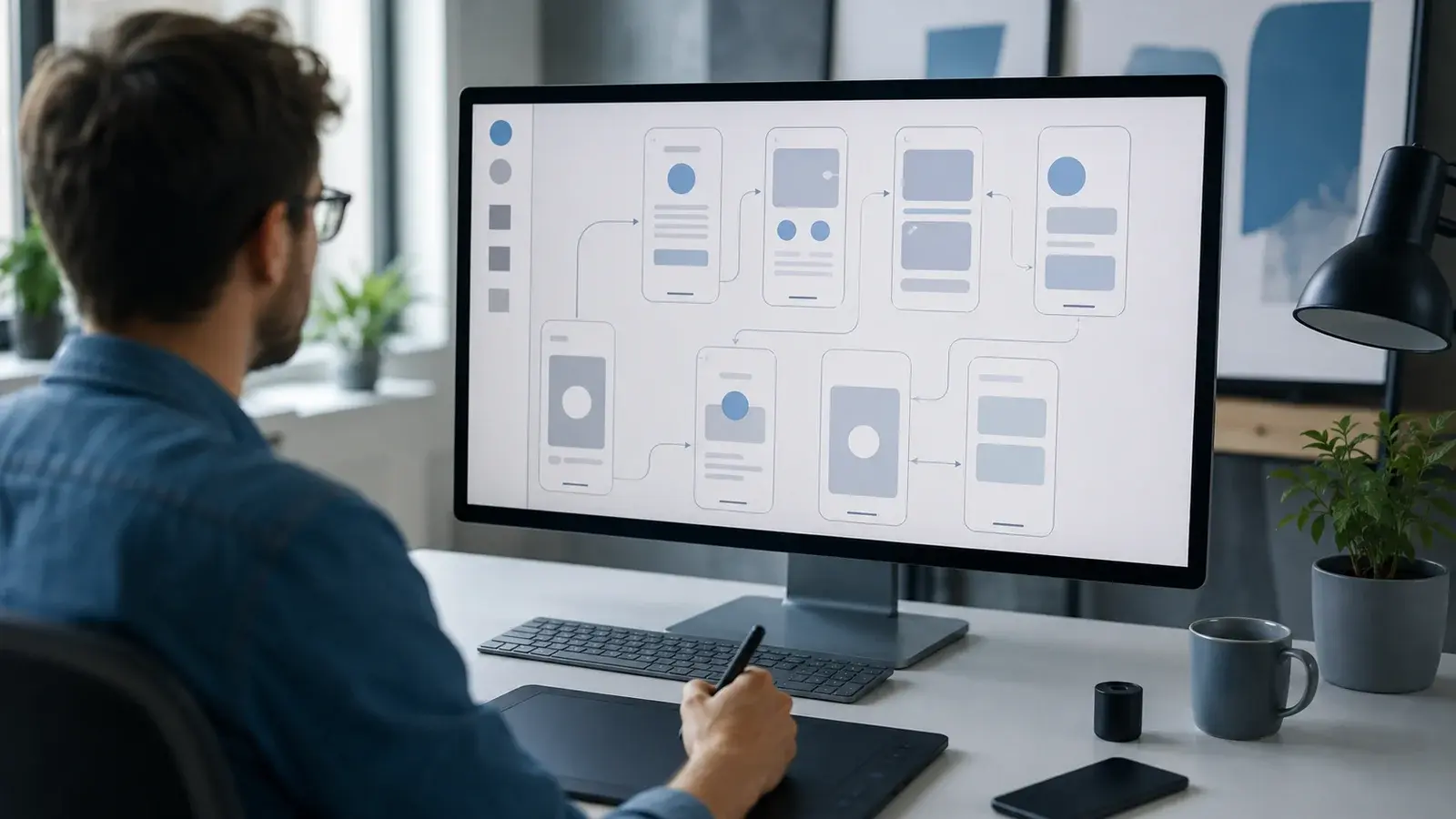
UX designer mapping app screens and user flows on a design canvas before fitness app development

In the early stages, our team creates detailed wireframes that map out every screen, interaction and navigation path. These prototypes validate key features, reduce friction, and keep the app structure aligned with your business goals and user expectations, before development begins. Design also carries the intent of the product.

Evenflow, a meditation exercise app designed by psychology and meditation experts, needed to embody a light, clean and calming presence. Our designers chose a bubble board rather than a common list menu, which lets the user browse and stands apart from the interfaces the app is compared to.

Technologies We Use for Fitness App Development

We match the stack to your budget and goals, with a native-first default for the responsiveness these products demand.
mobile-app-preview

Native iOS and Android Development

Swift for iOS, Kotlin for Android app development. Native builds give the smoothest animations, the best sensor access, and the reliability a daily-use fitness app needs.

cross-platform-preview

Kotlin Multiplatform

When budget favours cross-platform, Kotlin Multiplatform shares business logic across iOS and Android while keeping native interfaces on each.

third-party-integrations-preview

Wearables and IoT

Bluetooth Low Energy, sensor integration, and companion products for connected equipment and smartwatches.

ai_agent_automation

AI and Machine Learning

Personalized recommendations, form analysis, and predictive insights through AI development that make coaching smarter.

custom_ai_models

Cloud Platforms

AWS and Google Cloud backends that scale from your first hundred members to your first million.

What a Fitness App Connects To

Fitness products live or die by their data, and most of it comes from devices your users already own. We connect your product to the platforms and hardware that matter, so your metrics stay accurate and automatic. These integrations are decided early, because they shape both the build and the budget.

  • Health and wearable platforms. Apple Health and HealthKit, Google Fit, Apple Watch, Fitbit and Garmin, plus dedicated sensors over Bluetooth Low Energy for connected equipment.
  • Payments and subscriptions. Stripe payment integration, membership management and recurring subscriptions.
  • Cloud services. AWS and Google Cloud backends that scale from your first hundred members to your first million.
  • Administration. Dashboards and reporting for the people who run the studio or the programme.
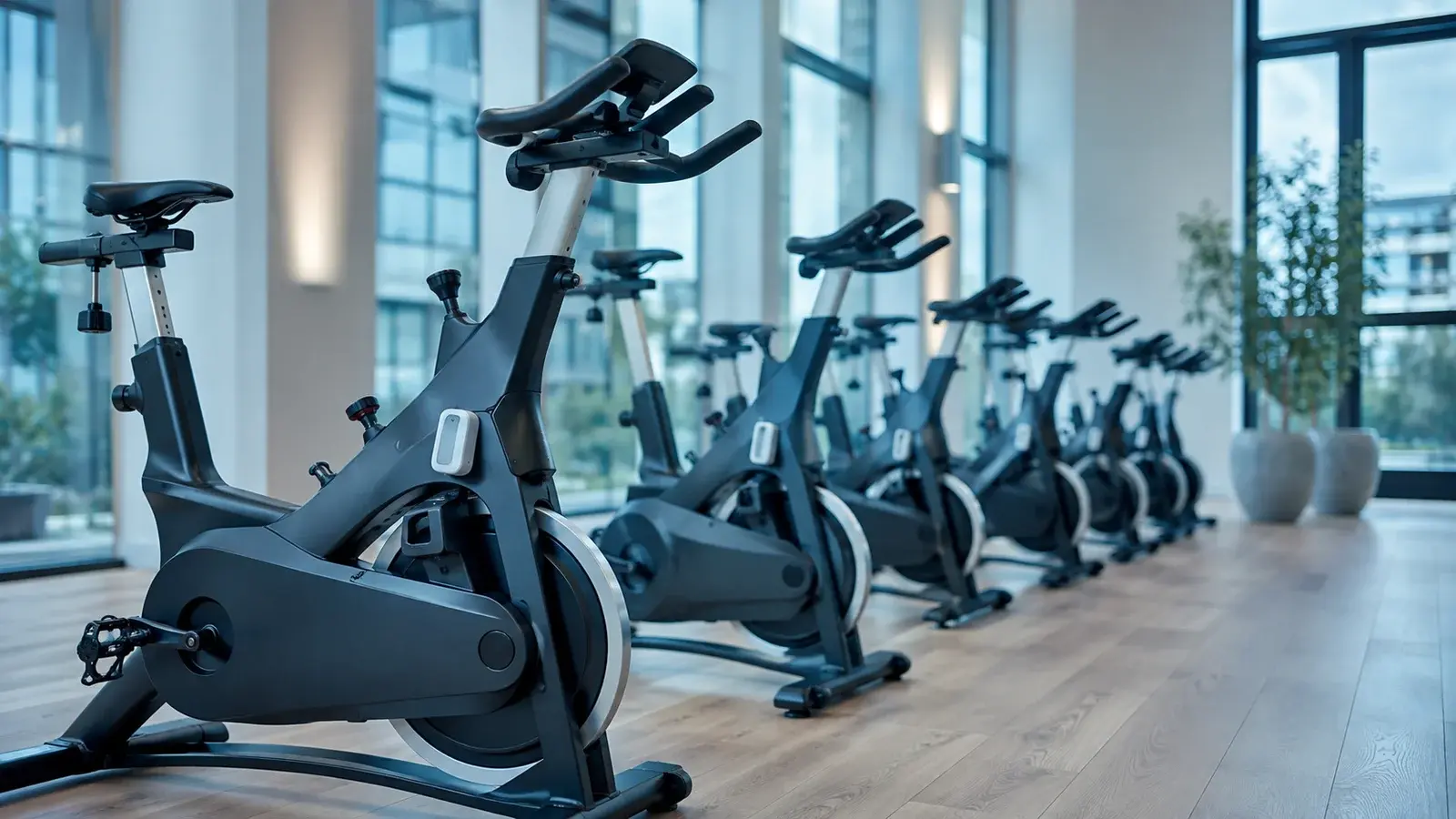
Row of connected indoor cycling bikes with sensors in a modern fitness studio

Cadence proves the model: a connected sensor feeding live performance data into the app. For deeper hardware builds, our IoT development specialists handle the full sensor-to-app pipeline.

Evenflow required a light audio playing system that loads and runs smoothly on any device and uses as little data as possible, streaming a spoken track and a background music track at the same time and saving both so they stay available offline. Not every integration is a wearable.

Health and wellness products share most of this architecture with the healthcare applications we build for hospitals, clinics and medical organizations across Canada.

What Happens to the Data After Launch

After launch

A fitness product keeps producing information once it is live, and that information is what guides the next release. Evenflow uses an algorithm that suggests the right exercises after learning the user's needs, and its library was designed to help users keep track of their progress and discover new exercises.

Reporting also serves the business side. Fitolio required a monthly revenue system that follows what each mentor earns and directs those earnings straight to their bank account, which means the data behind it has to be accurate enough to settle real payments.

Our process runs from choosing the right platform through to post-launch A/B testing, so the product keeps improving after release rather than at the next redesign.

Privacy and compliance

Fitness products collect sensitive information: heart rate, weight, activity, sometimes full health records.

In Canada, that data falls under PIPEDA, and we develop to those rules from day one. When an app handles clinical data or serves US users, we add HIPAA safeguards.

Every release ships with encrypted storage, secure authentication, and role-based access. For products that cross into medical territory, our healthcare app development team brings deeper compliance experience.

Support, Maintenance and Growth After Launch

Shipping the first version is the shortest part of the relationship. Both platforms ship a major release every year and expect applications to keep pace, which is one of the reasons a fitness product needs care long after launch.

We understand the iterations needed to reach your goals, and we stay with you during maintenance, upgrades and any future improvements. One in-house team covers design, development, QA and ongoing support, with no outsourcing.

That model also serves larger organizations. Over the years our team has delivered mobile and web work for WSP, Schneider Electric, the Canadian Cancer Society and McGill University, alongside the founders and product teams we build for.

Why Choose Guarana as Your Fitness App Development Company

Here are the concrete reasons fitness clients choose our team.

1

Building Mobile Apps Since 2011

14 years building mobile apps, with 274+ products shipped since 2011.

2

Real Fitness App Experience

Fitness products live in the stores: Cadence, Kineticoach, and Fitolio, not slides.

3

Deep Canadian Market Knowledge

Local teams in Toronto and Montreal who know the Canadian market and its users.

4

One In-House Team

One in-house team for design, development, QA, and support, with no outsourcing.

Fitness App Development FAQ

What features should a fitness app include?

acc-plus
acc-minus

The essentials are activity logging, personalized plans, progress charts, wearable sync, push notifications, and secure payments. The right mix depends on your model. We help you scope the features that drive retention for your specific members, then ship them.

How do you choose the right fitness app development company?

acc-plus
acc-minus

Look for a partner with shipped fitness products in the stores, native development skills, and local accountability. We show working products like Cadence and Kineticoach, develop native-first for performance, and keep your project in your time zone with teams in Toronto and Montreal.

How long does it take to build a fitness app?

acc-plus
acc-minus

A focused MVP usually reaches the stores in a few months, while a full product with wearables, live video and payments takes longer. Timelines follow the same drivers as the budgets listed above. We give you a dated plan and a detailed estimate after a free discovery call, once we know what the first version has to do.

Do you build custom fitness apps or use templates?

acc-plus
acc-minus

We develop custom fitness apps from scratch, shaped around your brand, your members, and your booking or coaching flows. Templates cannot deliver the performance, integrations, or differentiation a serious fitness product needs.

What platforms do you support?

acc-plus
acc-minus

Native iOS and Android are our default. When budget favours cross-platform, Kotlin Multiplatform shares logic across both while keeping native interfaces. We also develop companion web dashboards for staff and admins.

Can you show examples of fitness apps you have developed?

acc-plus
acc-minus

Yes. Cadence is a connected indoor-cycling app for a Montreal gym, Kineticoach is an on-demand personal training marketplace in Toronto, and Fitolio is a live-streaming workout app with heart-rate tracking. Browse the full portfolio for more.

Start Your Fitness App Development Project

Tell us about your fitness app. Our developers come back with a clear plan, an honest timeline, and a realistic budget, with no obligation.

Get In Touch With Our
Software Development Team

As a Canadian fitness app development company, Guaraná partners with you from first concept to a live, growing product.

Montreal Office

4060 Boul. Saint-Laurent #204, Montreal, Quebec H2W 1Y9, Canada

mail-icon

Email
montreal@guarana-technologies.io

phone-icon

Call Us
+1 (514) 613 6050

Toronto Office

250 University Ave, Suite 200, Toronto, ON, M5H 3E5, Canada

mail-icon

Email
toronto@guarana-technologies.io

phone-icon

Call Us
+1 (647) 559 3001